 020 3744 3778
Fight Climate Change with Your Backyard Oasis
Posted on 11/06/2025
Fight Climate Change with Your Backyard Oasis: Transform Your Yard into a Climate Hero
Climate change is an urgent threat facing the planet, but the solutions don't always have to come from governments and corporations. In fact, one of the most effective ways to combat climate change starts right in your own backyard! By creating a sustainable backyard oasis, you can help reduce carbon emissions, increase biodiversity, conserve water, and make your living space healthier and more enjoyable. In this comprehensive guide, we'll show you how you can fight climate change with your backyard oasis.
Why Your Backyard Matters in the Fight Against Climate Change
Every patch of land, no matter how small, is an opportunity to reverse climate change. The collective impact of millions of sustainable backyards can make a huge difference. Here's why your garden, yard, or outdoor space is crucial:
- Local Action, Global Impact: If everyone uses eco-friendly practices, it can collectively make a substantial global difference.
- Carbon Sequestration: Plants capture and store carbon dioxide, helping reduce greenhouse gases.
- Supporting Biodiversity: Native plants and wildlife habitats support local ecosystems, which are threatened by climate change.
- Reducing Urban Heat: Green spaces help mitigate the "heat island" effect found in many urban areas.
- Promoting Water Conservation: Sustainable landscaping practices reduce water consumption.
The Concept of a Climate-Friendly Backyard Oasis
An oasis evokes images of luxuriant vegetation, cool shade, and thriving life--a stark contrast to the arid deserts of climate crisis. In terms of sustainability, your backyard oasis is a haven for wildlife, a carbon sink, a rain sponge, and a personal sanctuary. Whether you have a sprawling lawn or a modest balcony, you can take steps to make your space more environmentally friendly and help fight climate change.
Designing Your Sustainable Backyard Oasis
Designing a climate-friendly backyard starts with changing how you view your space. Instead of a decorative patch that requires lots of water, fertilizer, and mowing, reimagine your yard as a vibrant, living ecosystem. Here are some essential design elements to incorporate:
1. Choose Native and Climate-Adapted Plants
- Why?
Native plants are adapted to your region's climate, needing less water, fertilizer, and pesticides. They're more resilient to local pests and diseases and better at supporting local wildlife, from pollinators like bees and butterflies to birds and chipmunks. - How?
Research what plants are native to your area. Visit local nurseries, botanical gardens, or consult with indigenous gardening associations for inspiration. Avoid "invasives" and choose a mix of trees, shrubs, perennials, and groundcovers.
2. Swap Out the Lawn
- Lawns are ecological deserts, requiring significant water, chemical fertilizer, and frequent mowing (which emits carbon). Instead, opt for alternatives such as:
- Meadows of wildflowers or grasses
- Groundcovers like clover, creeping thyme, or sedges
- Vegetable and herb gardens
- These options sequester more carbon and support biodiversity, making your backyard truly part of the climate solution.
Backyard Practices That Help Fight Climate Change
Sustainable landscaping goes beyond plant choices. It involves the way you care for your space and the practices you use. Let's explore some proven strategies to make your backyard oasis a powerhouse in the fight against climate change.
Compost for Carbon Capture
Organic waste in landfills creates methane, a potent greenhouse gas. Composting converts food scraps and garden clippings into rich soil, locking away carbon and providing nutrients for your plants. Start a simple compost bin, pile, or even try vermicomposting (using worms). You'll reduce waste, limit emissions, and enrich your oasis at the same time.
Plant Trees for Shade and Carbon Storage
- Trees are nature's best carbon sinks. Even a single shade tree in your yard helps capture atmospheric carbon, cools your home (cutting energy use), and provides habitat for wildlife.
- Select native or drought-tolerant trees suitable for your space. Plant strategically to shade your house, driveway, or air conditioning unit for maximum cooling effect.
- Each tree you plant is a living investment in our shared climate future.
Reduce Pesticide and Chemical Use
Pesticides and synthetic fertilizers destabilize ecosystems and emit greenhouse gases during production. By going organic in your backyard oasis, you help support pollinators, birds, beneficial insects, and the soil microbiome. Use compost, mulch, companion planting, and hand-picking pests instead of chemicals.
Mulch for Moisture Retention and Soil Health
- Mulching garden beds conserves water, prevents weeds, and feeds soil as it breaks down.
- Choose organic mulches like wood chips, shredded leaves, or straw for the best environmental impact.
- Healthy soils store more carbon, so mulching is an easy step!
Saving Water in Your Backyard Oasis
Water is a precious resource becoming scarcer with climate change. Smart landscaping can help you save water, reduce runoff, and even help recharge groundwater supplies.
Install Rain Barrels and Irrigate Efficiently
- Collect rainwater from your roof in barrels or cisterns to water plants during dry spells.
- Use drip irrigation, which delivers water directly to plant roots, or embrace hand-watering to minimize waste.
- Water early in the morning or late in the evening to reduce evaporation.
Permeable Surfaces and Rain Gardens
- Traditional concrete, driveways, and patios cause rain runoff, which can lead to flooding and pollution.
- Use materials like pavers, gravel, or permeable bricks so rainwater soaks into the ground.
- Build a rain garden: a shallow, planted area that absorbs runoff and filters pollutants. Native plants are foundation for successful rain gardens.
Encourage Biodiversity: Make Your Yard a Wildlife Refuge
Climate change threatens wildlife, but your backyard oasis can be a sanctuary. The greater the biodiversity in your yard, the healthier and more resilient your landscape will be.
- Plant a variety of flower types, colors, and blooming times to support pollinators all season.
- Install birdhouses, bat boxes, and bee hotels to provide nesting sites.
- Leave some leaf litter and dead wood for beneficial insects and amphibians.
- Avoid over-tidying! Wild corners provide cover and food for many small creatures.
- Include a water feature, such as a birdbath or small pond, for hydration and habitat.
Reap the Benefits: How a Backyard Oasis Improves Health and Community
Transforming your backyard into a climate-friendly oasis doesn't just benefit the planet. There are also profound personal and community rewards.
- Cleaner Air: More plants mean cleaner, fresher air around your home.
- Mental Health Boost: Green spaces decrease stress, anxiety, and depression.
- Physical Activity: Gardening is a great source of low-impact exercise.
- Community Resilience: Shared green spaces (like community gardens) build connections, share resources, and strengthen communities against extreme weather events.
- Beauty and Enjoyment: Your sustainable backyard oasis is an inviting place to relax and entertain.
Get Started: Steps to Create Your Own Climate-Smart Backyard Oasis
- Assess Your Yard: Note sun, shade, soil type, and existing plants.
- Plan Your Design: Research native plants, decide on lawn alternatives, and sketch a layout.
- Start Small: Convert a corner of your yard or even a few containers if space is limited.
- Add Features Gradually: Incorporate composting, water-saving devices, and wildlife supports over time.
- Monitor and Adapt: See what works, adjust your plantings, and learn from nature's feedback.
Inspiring Examples: Backyard Oases Fighting Climate Change
Urban Pollinator Havens
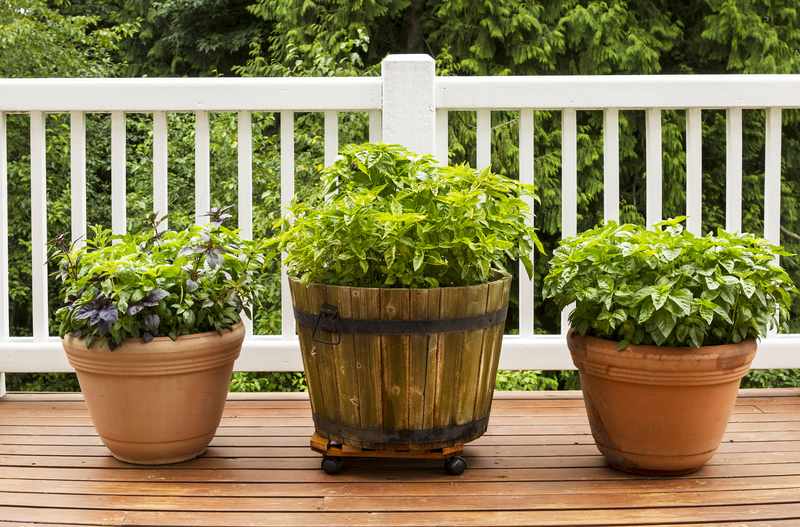
All over the world, city dwellers are transforming small yards and even balconies with pots of native plants. These micro-oases offer food and shelter for bees and butterflies, which are critical for food production and ecosystem balance.
Community Food Forests
Neighborhood groups are creating shared edible landscapes with fruit trees, berry bushes, and perennial vegetables. These spaces sequester carbon, provide free, healthy food, and reduce reliance on food shipped long distances.
Rain Gardens Mitigating Flooding
Suburban homeowners are installing rain gardens that catch runoff from roofs and driveways. These gardens prevent pollutants from reaching waterways and recharge local aquifers--turning every storm into an opportunity for restoration.
Tips for Maintaining Your Climate-Friendly Backyard Oasis
- Water wisely: Check soil moisture before watering; overwatering wastes resources and leaches nutrients.
- Embrace diversity: Mix flowers, shrubs, trees, and groundcovers to maximize habitat and resilience.
- Rotate crops: If you grow vegetables, rotate plant families to keep soil healthy and reduce pests.
- Let nature lead: Encourage wild corners, allow fallen leaves to decompose, and observe how wildlife uses your yard.
- Share your success: Inspire neighbors and friends by sharing seeds, plants, and your story to multiply your impact.
Debunking Common Myths About Backyard Climate Action
- "My yard is too small to matter" - Every green space counts. Even a few potted plants on a balcony provide real benefits.
- "Native gardens are messy" - Thoughtful design can create stunning, low-maintenance landscapes bursting with life and color.
- "Sustainable yards are hard to maintain" - In fact, once established, native and resilient gardens require far less work and input than traditional lawns.
Ready to Start Fighting Climate Change at Home?
Mother Nature is calling us all to action. By transforming lawns into native meadows, composting waste, planting trees, conserving water, and supporting pollinators, your backyard oasis can become a true climate hero.
Let your outdoor space be more than a backdrop--make it a living, thriving ally in the fight against climate change. One yard at a time, we can cool our planet, nurture wildlife, and build a resilient, sustainable future for all.
Start today: Your backyard can change the world. Why not lead the way?
Latest Posts
Elevate Your Garden with Creative Seating Layouts
Creating a Whimsical Garden Escape for Children
Create a Vibrant Oasis with Your Very Own Herb Garden