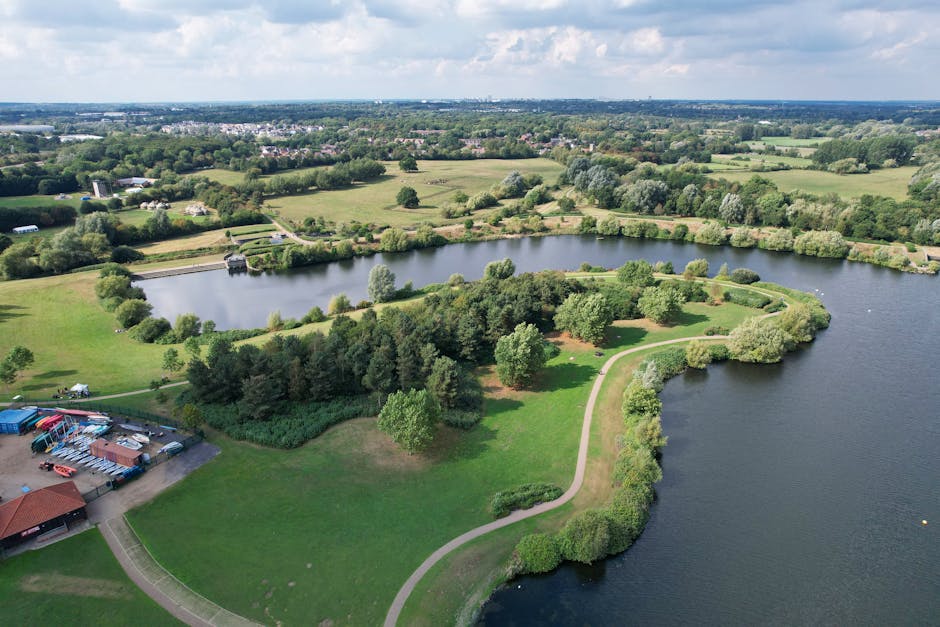
Ruislip Lido Garden Makeover by Local Gardeners Case Study
There's something a bit special about a garden near the water. Light changes, breezes shift, and the whole space can feel more exposed than a typical back garden. That is exactly why a Ruislip Lido garden makeover by local gardeners case study is so useful: it shows how thoughtful planning, local knowledge, and steady workmanship can turn a tired outdoor space into something calm, durable, and genuinely easy to live with.
In this article, we'll walk through what a local garden makeover usually involves, why it matters in a Ruislip Lido setting, how the process works in practice, and what homeowners should look out for before they start. You'll also get a practical checklist, a comparison table, and answers to the questions people usually ask when they are weighing up a garden transformation. No fluff. Just the kind of guidance that helps you make a better decision.
Why Ruislip Lido garden makeover by local gardeners case study Matters
A garden makeover is never just about making things look tidy. In a place like Ruislip Lido, the surroundings can shape how a garden behaves day to day. Open edges may mean more wind. Shade from mature trees can change planting choices. Damp patches near lower ground can affect lawn health. Local gardeners who work in and around the area tend to notice these patterns quickly, and that makes a real difference.
The value of a case study is that it reveals the thinking behind the finished garden. It shows why a certain border was widened, why a hedge was chosen instead of a fence panel, or why drainage was improved before any planting went in. You can learn a lot from that. Sometimes more than from a glossy "before and after" photo, to be fair.
For homeowners, the main point is simple: a makeover should fit the site, not fight it. That is especially true for gardens around Ruislip Lido, where people often want a space that feels natural, low-maintenance, and welcoming, but still needs to cope with the realities of the British weather. If your garden is currently patchy, awkwardly shaped, overgrown, or hard to use, a local approach can save time and a few headaches.
There is also a trust element. Local teams are more likely to understand the common materials, soil conditions, and planting styles that work well nearby. They know when a "quick fix" is actually a false economy. And let's face it, gardens have a habit of exposing shortcuts very quickly.
How Ruislip Lido garden makeover by local gardeners case study Works
Most successful makeovers follow a fairly clear path, even if each garden looks completely different by the end. The process usually begins with a site visit, followed by a discussion of how the garden is used, what is not working, and what the owner wants to feel when they step outside.
That conversation matters more than people expect. A family with children will think differently from someone who wants a quiet seating area and tidy planting. A dog owner may need hardier ground surfaces and plants that can survive the occasional sprint across the border. A rental property might need simple, durable design choices rather than a highly bespoke layout.
From there, local gardeners typically assess a few key things:
- sunlight and shade patterns
- soil condition and drainage
- existing trees, hedges, and structural features
- privacy and overlooking issues
- access for tools, materials, and waste removal
- maintenance level the owner can realistically keep up with
In a practical sense, the makeover may include clearance, soil improvement, re-turfing or lawn repair, edging, planting, path or patio updates, hedge work, and sometimes fences or screening. For larger transformations, a landscaper may coordinate several trades or specialist tasks. If the garden needs a bigger reset, services such as landscaping and ongoing garden maintenance often sit at the heart of the plan.
One practical point worth saying clearly: a good makeover is staged. You clear, you shape, you improve the ground, then you plant or build. If you rush those steps together, it usually shows later. In wet weather especially, neat-looking shortcuts can become muddy regrets by autumn.
Key Benefits and Practical Advantages
The obvious benefit is visual improvement. That said, the real value of a garden makeover is usually broader than appearance. A well-planned outdoor space becomes easier to use, easier to maintain, and more enjoyable through the seasons.
Here are the main advantages homeowners usually notice after a local gardener-led transformation:
- Better use of space: awkward corners, narrow strips, and dead zones can be turned into planting beds, seating spots, or screening.
- Improved privacy: hedging, layered planting, and vertical greenery can soften sightlines without making the garden feel boxed in. For more on this approach, see swift-growing hedge ideas for privacy.
- Lower maintenance where it matters: the right mulch, ground covers, and hardy planting choices reduce weekly upkeep.
- Healthier planting conditions: when soil is improved and drainage is sorted, plants establish better and last longer.
- Year-round structure: evergreen planting, hedges, and carefully placed shrubs keep the garden looking intentional even in winter.
- More comfortable outdoor living: seating areas and clear pathways make the garden feel like part of the home.
There is also a practical money angle, though it should be handled sensibly. A well-designed garden can reduce the need for constant patch repairs and repeated plant replacements. That does not mean every makeover "saves money" in a dramatic way. It means fewer mistakes, fewer do-overs, and fewer little jobs that keep eating weekends. Which, honestly, is the real prize for many people.
If you are aiming for a garden that works with the local climate, a mix of structural planting and easy-care ground cover can be especially useful. Inspiration can come from guides like ground covers for UK landscapes and easy-care green space ideas.
Who This Is For and When It Makes Sense
This kind of project suits a surprisingly wide range of people. If you think garden makeovers are only for large detached houses, that is not really the case. Compact gardens, awkward side returns, and older spaces with tired planting can benefit just as much.
A makeover makes sense when you are dealing with one or more of these situations:
- the garden has become overgrown or neglected
- the layout feels clumsy or underused
- privacy is limited and neighbours can see straight in
- the lawn is uneven, patchy, or hard to keep healthy
- you want a safer space for children or pets
- rain, wind, or shade keeps causing the same problems
- you are preparing to sell or let the property and want stronger kerb appeal
It is also a strong option if you've already tried a few DIY fixes and they just haven't held up. That happens a lot. A couple of tubs here, a bit of mulch there, and before long you realise the bigger issue is structure, not ornament.
Local gardeners are particularly useful for homeowners who want sensible recommendations rather than trendy ideas that look great for one summer and then struggle. If you want a project grounded in the realities of the site, an experienced team can be a much better fit than an off-the-shelf design.
For people starting from a blank slate, or those wanting to add features like raised beds or seating zones, it can help to explore a garden transformation approach and compare options before committing.
Step-by-Step Guidance
A practical makeover is best broken into stages. That keeps the project manageable and helps the finished garden feel coherent rather than pieced together.
- Start with a proper assessment. Look at sun, shade, drainage, soil, access, and the way the garden is used now. Be honest about what is annoying you.
- Decide the main purpose. Do you want family play space, low-maintenance planting, privacy, entertaining space, or all of the above? If everything is a priority, the design can get muddled.
- Clear and tidy. Remove weeds, dead growth, broken edging, and anything that blocks the new plan. For stubborn growth, local gardeners often combine clearance with methods from weed-control strategies and practical ivy removal guidance.
- Fix the ground first. Improve soil where needed, sort drainage, and level problem areas before you plant. It sounds boring. It isn't, not really. It's the bit that stops the garden from drifting back into chaos.
- Set the structure. This may include paths, edging, fences, trellis, hedging, or a seating zone. If the space needs privacy or definition, structural planting is often better than adding too many hard features.
- Plant in layers. A mix of shrubs, perennials, climbers, and ground covers gives depth and resilience. Shade-loving climbers can be especially useful in tricky corners; see shadow garden climbers.
- Finish with practical details. Mulch, watering points, lighting where needed, and access for routine care all matter. Small details make the space easier to live with.
- Build in a maintenance rhythm. The garden should look good in three months, not just on completion day.
A lot of homeowners skip step four and regret it later. The beds look fine at first, then one soggy winter and the whole thing starts to lean. A little dull? Yes. Important? Absolutely.
Expert Tips for Better Results
If you want the makeover to last, the smartest choices are usually the least flashy. Here are the kinds of things experienced local gardeners tend to prioritise.
- Use plants that match the site, not the mood board. A pretty plant that hates wind or shade will become a weekly problem.
- Choose structure before colour. Good bones make a garden look finished even when seasonal planting changes.
- Keep lawn areas realistic. If mowing and edging will become a chore, reduce the lawn rather than forcing yourself into a routine you won't keep.
- Think in seasons. Winter interest matters, especially in the UK. Evergreens, bark texture, and simple hedging stop the garden from going flat.
- Don't underestimate vertical space. Walls, fences, and trellis can add depth without eating up ground area. It's one of the easiest ways to make a small garden feel richer.
- Leave room for cleaning and access. If a path is too narrow or a bed is impossible to reach, maintenance becomes a pain very quickly.
One useful design habit is to repeat materials or plants in more than one spot. That creates rhythm. Not too much, just enough to make the eye move naturally through the garden instead of bouncing around. If the garden needs calm, a more restrained style can work beautifully; the ideas in calm zen garden design are a good example of that thinking.
If you have pets, make sure surfaces and planting choices are robust enough for them. Some gardens are ruined not by bad weather but by one enthusiastic dog with a mission. It happens.
Common Mistakes to Avoid
Most garden makeover problems are predictable. That is the frustrating thing. They are usually avoidable, just not always obvious at the start.
- Designing without a clear brief. If you cannot define the main purpose of the garden, the final result can feel scattered.
- Ignoring drainage. Wet patches, compacted soil, and poorly draining borders will keep coming back.
- Choosing high-maintenance planting by accident. Beautiful, yes. Easy to manage, maybe not.
- Overcrowding the space. Too many features make even a large garden feel cramped.
- Forgetting the boundaries. Privacy and screening should be planned early, not added as an afterthought.
- Skipping seasonal protection. Tender plants need sensible winter care, especially in exposed or open gardens. For that side of things, see winter plant protection advice and harsh-weather plant care.
Another common issue is trying to do everything at once. Truth be told, that rarely ends well. A phased project may feel slower, but it usually produces a better, calmer result. And a calmer result tends to age better.
Tools, Resources and Recommendations
You do not need a shed full of specialist gear to improve a garden, but the right tools matter. Good kit saves time, reduces strain, and helps the work look neater. For a project of this kind, useful basics often include:
- spades, forks, rakes, and border tools
- secateurs and loppers for pruning
- hedge trimmers where screening or boundary shaping is involved
- wheelbarrows, tarpaulins, and debris sacks for clearance
- string lines, tape measures, and marking spray for layout
- quality compost, mulch, and soil improver
- watering cans or hoses for establishment periods
If you want a better sense of the kinds of tools that genuinely make a difference, have a look at this practical tool guide. And if your makeover includes pots, steps, or awkward paved areas, container planting can be a smart way to add colour and flexibility; the ideas in container gardening inspiration are worth a glance.
For privacy planting, hedges and climbers are often a better investment than people expect. If you are considering boundary softening rather than a hard barrier, the site's guide to geometric hedge design can help you think about form as well as function.
Where a garden has pets, windy corners, or a very small footprint, you may also want to consider vertical planting and resilient surfaces. Those details can quietly change how usable the space feels. Not glamorous, but effective.
Law, Compliance, Standards, or Best Practice
For domestic garden makeovers, the main compliance issue is usually practical safety and neighbour awareness rather than heavy regulation. Still, there are a few points worth keeping in mind.
First, if work involves trees, large shrubs, or anything close to shared boundaries, it is sensible to check what can be trimmed safely and responsibly, and whether any protected or significant trees are involved. If you are unsure, qualified advice is better than guessing. Tree work especially is one of those jobs where "it'll be fine" can turn into a bigger problem.
Second, disposal of green waste, old timber, rubble, and broken hard landscaping should be handled responsibly. A tidy site is not just a nice finish; it is part of safe working practice. For bigger transformations, many homeowners want reassurance around this side of the job, which is why pages such as health and safety information and insurance and safety guidance matter before any work begins.
Third, if you are booking work from a company, check the basics: clear scope, payment terms, complaint handling, and privacy handling for your details. That is just good practice. You can review pages like terms and conditions, payment and security, and privacy policy to understand how a professional service frames those points.
Finally, for any external contractor work, ask how they manage access, site protection, and the order of operations. Good installers and gardeners are usually happy to explain. If they are vague, that's a small warning sign right there.
Options, Methods, or Comparison Table
Not every garden makeover needs the same level of intervention. Some spaces only need a refresh. Others need a full reset. Here is a simple comparison to help you think it through.
| Approach | Best for | Typical strengths | Watch-outs |
|---|---|---|---|
| Refresh and tidy-up | Gardens that are generally sound but messy or overgrown | Quick visual improvement, lower cost, minimal disruption | May not solve deeper layout or drainage issues |
| Partial makeover | Gardens with one or two problem zones | Good balance of impact and budget, targeted improvements | Needs careful planning so the old and new areas still feel connected |
| Full redesign | Spaces with poor structure, weak usability, or major neglect | Most transformative, best for long-term function and style | More time, more cost, and more decisions to make |
| Low-maintenance rebuild | Busy households and owners who want less upkeep | Hardwearing planting, sensible surfaces, easier maintenance | Must still feel warm and welcoming, not just practical |
If the garden is exposed, pet-friendly, or shaded for much of the day, that comparison becomes even more relevant. A "beautiful" choice that fails in local conditions is not really a good choice. It just looks good in the plan.
Case Study or Real-World Example
Here is a realistic example based on the kind of work local gardeners often carry out around Ruislip Lido.
A homeowner had a back garden that felt narrow, damp in places, and a bit forgotten. The lawn was thinning at the edges. One side border had turned into a tangle of weeds and self-seeded growth, and the seating area sat awkwardly in the middle, so it was never used for long. Lovely in theory, but not much fun in practice.
The local gardeners started with a full clear-out and a practical assessment. They identified two weak areas: poor drainage along one border and too much visual clutter at the back boundary. Instead of forcing in lots of separate features, they simplified the layout. The existing lawn was reduced slightly, giving space for wider beds and a neater path. The border was rebuilt with improved soil and a mix of hardy shrubs, seasonal perennials, and low ground cover. A more defined seating area was added, so the space now had a purpose.
Because privacy mattered, they used layered planting rather than a heavy barrier. That allowed the garden to feel enclosed without becoming dark. Climbers were introduced where the fence needed softening, and the planting scheme used evergreen structure to keep the space looking settled through winter. The result was not flashy. That was the point. It felt calm, tidy, and more like a usable room outside.
What made the project work was not any single feature. It was the sequence. Clear, assess, improve the ground, then build structure, then plant. A very ordinary recipe, but the sort that actually lasts.
For homeowners wanting a similar result, the local service pages for general gardening support, lawn care, and patio cleaning can be helpful starting points when planning the scope of work.
Practical Checklist
Use this checklist before starting a garden makeover. It keeps the project grounded and stops small issues becoming expensive ones.
- Have I defined the garden's main purpose?
- Do I know where the sun, shade, and wet areas are?
- Have I checked the condition of soil, lawn, and boundaries?
- Do I want a low-maintenance result or a more hands-on planted garden?
- Have I allowed for privacy where needed?
- Is there enough access for tools and waste removal?
- Will the design still work in winter, not just in summer?
- Are any trees, hedges, or climbing plants likely to need specialist attention?
- Have I thought about pets, children, and everyday use?
- Do I know what ongoing maintenance will be required after the makeover?
A small extra tip: take photos of the garden from the same two or three angles before any work begins. It makes it much easier to judge progress later, and it helps if you need to talk through changes with your gardener. Simple, but useful.
Get a free quote today and see how much you can save.
Conclusion
A strong garden makeover is not really about copying a style from a magazine or chasing the biggest change for the sake of it. It is about shaping a space that suits the site, the household, and the local conditions around Ruislip Lido. That is why local gardeners can be such a good fit: they bring practical judgement, on-the-ground experience, and a better feel for what will last.
If you plan carefully, fix the basics first, and choose materials and planting that suit the space, the end result can be calm, useful, and surprisingly low-fuss. The best gardens usually do not shout. They just work. And a garden that works tends to become the place everyone drifts back to, whether it is a quiet morning coffee, a muddy dog after a walk, or a late summer evening with the smell of cut grass still in the air.
Take your time, ask the right questions, and aim for a design that will still make sense a year from now. That's the real win.
Frequently Asked Questions
What is included in a Ruislip Lido garden makeover by local gardeners case study?
It usually includes site assessment, clearance, soil improvement, planting, boundary work, lawn or patio updates, and a design that suits the garden's actual conditions. The exact scope depends on the space and the homeowner's goals.
Why choose local gardeners rather than a general contractor?
Local gardeners are often better at spotting site-specific issues such as shade, drainage, exposure, and maintenance challenges. They are also more likely to recommend plants and layouts that hold up well in the area.
How long does a garden makeover usually take?
That depends on the size of the garden and the amount of work involved. A tidy refresh may be completed quickly, while a full redesign with planting and hard landscaping will take longer. Good planning matters more than rushing.
Can a small garden still benefit from a makeover?
Absolutely. Small gardens often benefit even more because every square metre has to work harder. Better layout, vertical planting, and carefully chosen structure can make a compact garden feel much bigger.
What if the garden is very shady or windy?
That is exactly when local knowledge helps. Shade-tolerant climbers, resilient shrubs, and wind-aware planting choices can make a huge difference. The key is to design for the site rather than against it.
Do I need a full redesign, or will a refresh be enough?
If the structure is sound but the garden just looks tired, a refresh may be enough. If the layout is awkward, drainage is poor, or the space is difficult to use, a fuller redesign is usually more sensible.
How can I keep maintenance low after the makeover?
Choose hardy planting, reduce lawn where it is not practical, use mulch, and keep access clear for regular care. A low-maintenance garden is usually created by smart design, not by doing nothing.
What should I ask before booking a local gardener?
Ask about the planned stages of work, how they handle soil and waste, what materials they recommend, what maintenance will be needed afterwards, and how they manage safety and payments. Clear answers are a good sign.
Is privacy planting better than putting up a fence?
It depends on the look you want and how much screening is needed. Hedges and layered planting often feel softer and more natural, while fencing gives immediate structure. Many gardens use both in different areas.
Can I combine planting, lawn work, and patio cleaning in one project?
Yes, and that is often the sensible way to do it. A makeover works best when hard surfaces, lawn areas, and planting are considered together, rather than as separate jobs that never quite meet in the middle.
How do I know if my garden is ready for a makeover?
If you can clearly describe what frustrates you about the space and what you want it to do better, you are ready to start the conversation. Even if the ideas are rough, that is enough. A good gardener can help turn them into a plan.
What is the best next step if I want help with my own garden?
Start by gathering a few notes and photos of the space, then speak with a local team about your goals, constraints, and budget. A straightforward discussion often leads to a far better result than trying to decide everything alone.
For a focused next step, you can also explore the team's wider about us information and, when you are ready, make an enquiry through the contact page.