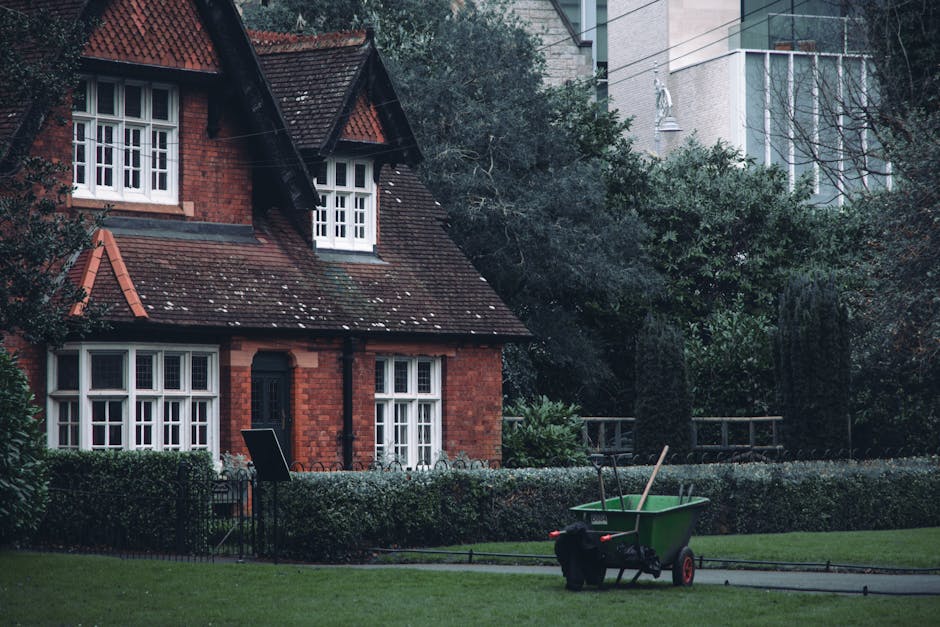
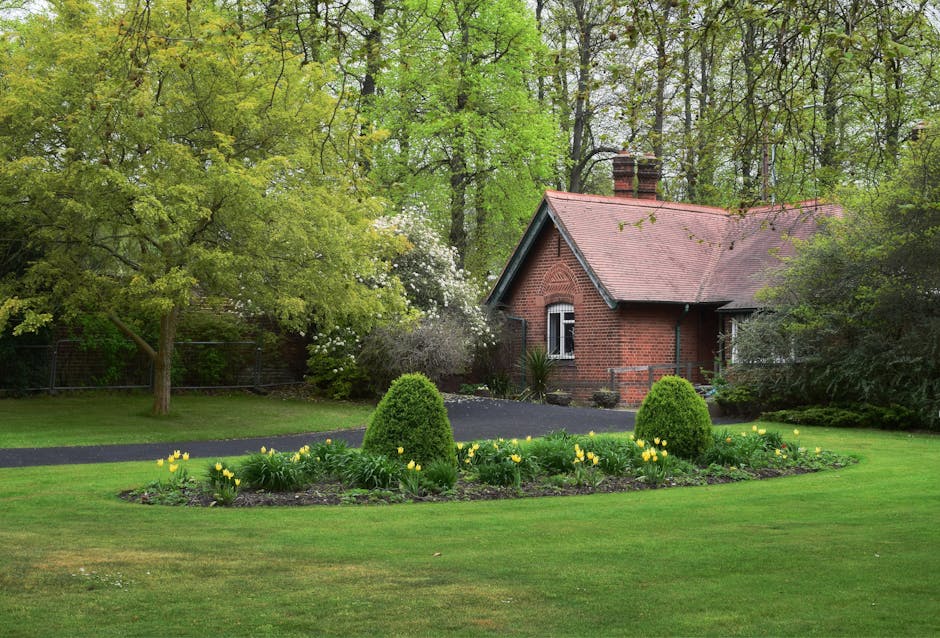
South Ruislip station gardeners best local lawn care: a practical guide to healthier grass and easier garden upkeep
If you live or work near South Ruislip station, you already know how quickly a tidy garden can slip into "I'll deal with that next weekend" territory. One wet spell, a few rushed mornings, and suddenly the lawn is patchy, mossy, or just plain tired-looking. That is where South Ruislip station gardeners best local lawn care becomes more than a search phrase - it becomes a sensible way to keep your outdoor space looking good without turning it into another chore on your list.
This guide explains what local lawn care actually includes, how a good service works, when it makes sense to book help, and what to look for if you want reliable results rather than a quick cut and a wave goodbye. To be fair, a lawn is often judged in thirty seconds, but it takes proper care to keep it healthy for the long haul.
If you want to compare options while reading, you can also explore the wider lawn care service, the regular lawn mowing service, or broader garden maintenance support as you think through what your garden needs.
Table of Contents
- Why South Ruislip station gardeners best local lawn care Matters
- How South Ruislip station gardeners best local lawn care Works
- Key Benefits and Practical Advantages
- Who This Is For and When It Makes Sense
- Step-by-Step Guidance
- Expert Tips for Better Results
- Common Mistakes to Avoid
- Tools, Resources and Recommendations
- Law, Compliance, Standards, or Best Practice
- Options, Methods, or Comparison Table
- Case Study or Real-World Example
- Practical Checklist
- Conclusion
- Frequently Asked Questions
Why South Ruislip station gardeners best local lawn care Matters
A healthy lawn is not just about appearance. It changes how a whole property feels. Near South Ruislip station, many gardens deal with a mix of compacted soil, shade from fences or buildings, busy family use, and the usual London weather swings that can make grass sulky for weeks at a time. A lawn that is cut too short, watered badly, or ignored through the season can lose density fast. Then weeds move in. Then moss. Then the whole thing starts looking a bit apologetic.
Local lawn care matters because it is practical and responsive. A gardener who knows the area will understand that one garden might need more frequent mowing because of shade and moisture retention, while another needs help recovering from dry patches and foot traffic. That local awareness saves time, money, and frustration.
There is also the simple reality that the best lawn care is not one dramatic treatment. It is a steady pattern of small, sensible actions: mowing at the right height, edging cleanly, feeding at the right time, improving drainage if needed, and keeping the grass clear of clumps and debris. Miss those, and even a decent lawn can go off the rails.
For many homeowners, renters with a garden, landlords, and small businesses nearby, a reliable local gardener offers peace of mind. You do not have to guess what the lawn needs this month. Someone who works outdoors every week can look at turf condition, weather, and growth rate and make a call that is actually grounded in experience, not guesswork.
How South Ruislip station gardeners best local lawn care Works
Good lawn care usually starts with a simple assessment. That sounds obvious, but it is the bit people skip when they just want the grass cut. A proper check looks at grass type, length, thickness, soil condition, drainage, shade, and whether the lawn is being used heavily. The aim is not to make the lawn look tidy for a day; it is to improve the turf over time.
From there, the work often follows a seasonal rhythm:
- Mowing at the correct height for the season and grass condition.
- Edging around borders, paths, and beds for a neater finish.
- Scarifying where thatch and moss are suffocating new growth.
- Aerating compacted soil so air, water, and nutrients can reach the roots.
- Feeding with a suitable fertiliser or soil-improving treatment.
- Overseeding thin areas to thicken the sward and crowd out weeds.
- Watering advice during dry periods, especially for freshly seeded areas.
In many local gardens, mowing alone is not enough. A lawn can look neat after a cut but still be struggling underneath. That is why the better services often combine mowing with maintenance work such as leaf clearance, border tidying, and seasonal treatment. If you need more than a one-off tidy, the wider gardening services page is a useful place to understand the full range of support available.
A good local gardener should also adapt to access issues. A front lawn may be easy, while a rear garden with narrow side access, decking, or a patio requires a more careful setup. That is where experience matters. A person who has done this before will move through the space neatly, not drag soil across paving and call it a day. We have all seen that happen. Not ideal.
Key Benefits and Practical Advantages
People usually start with lawn care because they want the grass to look better. Fair enough. But the benefits go well beyond neatness.
1. Better lawn health, not just better looks
Regular care helps grass grow more evenly, improves root strength, and reduces the chances of a lawn becoming thin and patchy. A well-managed lawn copes better with foot traffic, dry periods, and seasonal stress.
2. Less weed and moss pressure
Thicker, healthier grass naturally leaves less room for invaders. It is not magic, just basic turf competition. If weeds already have the upper hand, targeted treatment and better maintenance help turn that around.
3. Improved drainage and resilience
In areas where soil becomes compacted, the surface can hold water or dry out unpredictably. Aeration and soil improvement make a real difference over time.
4. A more usable outdoor space
A lawn that is level, tidy, and well-kept is easier to walk on, safer for children, and more pleasant for pets. If you are balancing family use with a decent look, it helps to think about the garden as a lived-in space, not a display piece.
5. Time saved every week
Let's face it, mowing is rarely anyone's favourite Saturday job. A regular local service removes the mental load and keeps the garden from becoming a big catch-up project later.
6. Better first impressions
If you rent out a property, welcome guests often, or simply enjoy a well-kept front garden, lawn condition shapes how the whole place is perceived. A clean cut and proper edging quietly say, "this home is looked after."
Expert summary: The strongest lawn care results come from consistency, not dramatic fixes. If the grass is cut well, fed sensibly, and the soil is kept open and healthy, the lawn usually responds better than people expect.
Who This Is For and When It Makes Sense
This kind of local service is useful for a lot more people than you might think. It is not only for homeowners with large front and back gardens.
- Busy households who want the garden to stay manageable without constant weekend work.
- Older residents who would rather avoid heavy outdoor jobs or repeated mowing.
- Landlords and letting agents needing a tidy, dependable exterior between tenancies.
- Families where the lawn needs to survive football, scooters, and the odd muddy sprint through the middle.
- People with shaded or awkward gardens where grass needs more than basic cutting to stay healthy.
- New homeowners trying to rescue a lawn that has been ignored for a while. Happens all the time.
It also makes sense if your garden has mixed features. For example, if you have turf beside a patio, shrubs, or a small hedge boundary, a more complete service can keep the whole outdoor area coherent. You may want to look at patio cleaning support or even hedge trimming in South Ruislip if the lawn is only one part of the picture.
If your garden is mostly decorative rather than practical, you might also benefit from ideas in this guide to ground covers or this piece on fast-growing hedges for areas where grass is not the best long-term solution. Sometimes the smartest lawn decision is not to force lawn everywhere.
Step-by-Step Guidance
If you want better results from local lawn care, this is the process that usually works best.
- Start with a proper look at the lawn. Check for patchiness, weeds, bare spots, moss, puddling, and worn areas near gates or paths.
- Decide what the lawn actually needs. If it is simply overgrown, mowing may be enough. If it is thin or bouncy underfoot, it probably needs feeding, scarifying, or aeration as well.
- Set a realistic maintenance rhythm. Weekly during the growing season is common for active lawns, though the exact schedule depends on growth rate and weather.
- Adjust cutting height by season. Cutting too short in hot or dry weather can stress the grass. Leaving a little more length can protect the lawn and help it hold moisture.
- Edge and clear as you go. A lawn can look half-finished if the edges are messy or clippings are left piled up. Neatness matters.
- Treat the underlying issues. Moss, compaction, shade, and poor drainage need a response, not just more mowing. That is the bit many people miss.
- Review progress after a few weeks. Healthy lawns improve gradually. You are looking for better colour, fewer bald spots, and steadier growth.
A small but useful habit: keep notes. Even a few words on when the lawn was last fed, scarified, or overseeded can help avoid overdoing things. Not glamorous, but effective. Very effective, actually.
Expert Tips for Better Results
After years of looking at lawns that were either thriving or hanging on by a thread, a few things stand out.
Do not mow too low
Short grass is not always healthier grass. In the UK, especially during warmer spells or dry weather, a slightly higher cut can reduce stress and help the lawn stay fuller.
Treat shade differently
A lawn under trees, beside a fence, or in a narrow side return will not behave like a sun-soaked front garden. Shade-tolerant care may mean less frequent cutting and a greater focus on airflow, debris removal, and moss control.
Feed at the right time, not constantly
More feed is not always better. Lawn fertiliser should support growth, not force it into an awkward spurt. A measured approach usually gives steadier results.
Watch the soil, not only the grass
The condition of the soil determines a lot of what you see above ground. If the lawn feels hard or spongy in the wrong way, aeration and organic improvement can help more than cosmetic fixes.
Be realistic about problem patches
Some spots are stubborn because of foot traffic, pets, poor drainage, or too much shade. Repeating the same treatment and expecting a different result? Well, that is how people end up frustrated and still staring at the same bare patch.
Use the right tools
Sharp mower blades, a good rake, a spreader for seed or feed, and proper edging tools make a noticeable difference. If you are building a basic kit, the guide to handy gardening tools is a useful companion read.
One more thing: after a wet morning, a lawn can look fine from the back door and still be too soft for heavy traffic. Give it time. That patience often pays off.
Common Mistakes to Avoid
Most lawn problems come from a short list of avoidable mistakes. The good news is that once you know them, they are not hard to spot.
- Cutting too much at once. Removing too much grass in a single mow can shock the lawn.
- Ignoring moss and thatch. These build up quietly and slowly choke the grass.
- Watering little and often. Deep, less frequent watering is usually better than constant light sprinkling.
- Using blunt mower blades. Ragged cuts bruise the grass and leave it looking tired.
- Leaving clumps behind. Heavy clumps can smother healthy grass underneath.
- Overfeeding. This can encourage weak growth and create more maintenance later.
- Trying to force lawn into every area. Sometimes a different planting choice makes more sense, especially in shade or tight spaces.
There is also the overlooked mistake of not asking for a service that matches the garden's real condition. A quick cut may be all you need. But if the lawn is struggling, a broader plan usually works better than repeating the same simple mow and hoping for the best.
Tools, Resources and Recommendations
The best lawns are often backed by a few dependable tools and a bit of observation. Nothing fancy, just practical kit used properly.
- Mower with adjustable height: useful for seasonal changes and recovery work.
- Spring-tine rake: handy for lifting moss, debris, and light thatch.
- Lawn aerator or fork: helps open compacted ground.
- Spreaders: useful for even application of seed, feed, or soil treatments.
- Edging tool: gives borders and paths a crisp finish.
- Sharp secateurs and hand tools: useful around borders so the lawn job blends into the rest of the garden.
If you are looking at broader garden improvements alongside turf care, you may also find these helpful: weed control strategies, ivy removal advice, and organic soil improvement ideas. Those topics often overlap with lawn health more than people realise.
For gardens with pets, it is also sensible to think about how lawn treatment fits around everyday use. Some treatments and new seed areas need time before heavy activity resumes, so planning matters. The article on balancing garden beauty with canine life covers that kind of real-world juggling nicely.
Law, Compliance, Standards, or Best Practice
For most domestic lawn care, there is no complicated compliance burden. Still, good practice matters. Local gardeners should work safely, avoid causing nuisance, and respect property boundaries and access arrangements. If machinery is being used, equipment should be maintained responsibly and handled with care. That may sound basic, but basic done well is what people remember.
Where lawn care connects with wider garden work, it is sensible to think about safety policies, insurance, and clear working terms. If you are hiring someone to use machinery, handle waste, or carry out more involved maintenance, it is reasonable to ask how they approach safety and what happens if something goes wrong. The site's insurance and safety information is a sensible place to start, along with the health and safety policy.
For trust and transparency, it also helps if pricing, payment, and complaints handling are clear before work begins. That does not need to be formal or stiff. It just needs to be straightforward. The pages on pricing and quotes, payment and security, and complaints procedure help create that clarity. A professional service should not make you guess what you are agreeing to.
If you are comparing providers, it is also fair to check the business background through the about us page and the terms and conditions. Simple, yes. But useful.
Options, Methods, or Comparison Table
Different lawns need different approaches. Here is a straightforward comparison to help you decide what kind of care is most appropriate.
| Method | Best for | Main benefit | Watch out for |
|---|---|---|---|
| Regular mowing | Healthy, active lawns | Keeps the lawn tidy and encourages even growth | Cutting too short or too infrequently |
| Mowing plus edging | Front gardens and visible lawns | Sharper, more polished appearance | Can still leave underlying soil problems untreated |
| Scarifying and aeration | Lawns with moss, thatch, or compaction | Improves airflow and root health | May look rough briefly before recovery begins |
| Overseeding and feeding | Thin, tired, or patchy grass | Thickens coverage and supports recovery | Needs time and the right conditions to establish |
| Full lawn care plan | Problem lawns or busy family gardens | Combines maintenance and improvement work | Costs more upfront, but usually gives better long-term value |
If you want a simpler green solution in difficult areas, it can also be worth looking at planting alternatives instead of insisting on perfect turf. The right answer is not always "more lawn." Sometimes it is better drainage, better shade planting, or even a mixed border using ideas from easy-care green space ideas.
Case Study or Real-World Example
Imagine a typical South Ruislip garden near the station: a small front lawn, a shaded side area, and a back lawn used by children and a dog. On paper, it sounds simple. In reality, the front lawn gets compacted by foot traffic, the side area stays damp and mossy, and the back lawn gets worn thin in exactly the same route every day. Classic.
A sensible lawn care approach would not start with a dramatic overhaul. It would begin with mowing at the correct height, clearing debris, and checking where the lawn is failing. The front could be aerated and overseeded. The side could be treated for moss and improved for light and airflow where possible. The back could be slightly raised in cut height and allowed recovery time after heavy use.
After a few weeks, the lawn would still not be perfect, because real gardens are not magazine spreads. But it would usually be greener, more even, and easier to manage. And the owners would have a plan instead of a vague hope. That is the real win.
Where privacy or structure is also needed, homeowners often combine turf work with hedge or border improvements. It all hangs together. A lawn, a hedge, a patio, the edge of a deck - they should look like they belong to the same garden, not four different ideas fighting for attention.
Practical Checklist
Use this quick checklist before booking or scheduling lawn care:
- Check whether the lawn needs simple mowing or a fuller treatment plan.
- Look for moss, weeds, bare patches, or compacted areas.
- Decide if edging and border tidying are needed too.
- Ask how the service handles seasonal changes in grass growth.
- Confirm whether clippings, debris, and waste will be cleared.
- Think about pet use, child use, and any access limitations.
- Ask about insurance, safety, and working arrangements.
- Review pricing, payment terms, and the complaints process.
- Consider whether adjoining work is needed, such as hedge trimming or patio cleaning.
- Book a follow-up plan if the lawn has long-term issues rather than one-off wear.
Quick practical takeaway: if your lawn only needs a tidy, keep it simple. If it looks tired, patchy, or mossy, treat it as a living system, not a surface. That small shift in mindset makes a big difference.
Conclusion
South Ruislip station gardeners best local lawn care is really about matching local know-how with steady, thoughtful maintenance. The best results come from gardeners who do not just cut grass, but understand what the lawn is trying to tell them. Dry patch, shade problem, compacted soil, heavy use, moss, poor timing - each one needs a different response.
When a lawn is cared for properly, the whole garden feels calmer and more welcoming. You notice it in the tidy edges, the softer footing, the better colour in the early morning light. It is one of those improvements that quietly changes how home feels, and that is worth a lot.
If you are ready to turn a tired patch of grass into something healthier and easier to live with, it makes sense to speak to a local team that understands the area, the seasons, and the realities of everyday garden use. A short conversation can save a lot of trial and error later on.
Get a free quote today and see how much you can save.
And if you are still weighing up your options, that is fine too. A good lawn rarely appears in a rush - it grows into place, one sensible choice at a time.
Frequently Asked Questions
What does local lawn care usually include?
Local lawn care often includes mowing, edging, feeding, weed control, moss management, aeration, scarifying, and overseeding. The exact mix depends on the lawn's condition and the season.
How often should a lawn be mown in South Ruislip?
It depends on growth rate, weather, and the type of grass, but weekly mowing during active growing periods is common. In cooler or drier periods, the schedule may ease off.
Is lawn care worth it if my garden is small?
Yes, often more so. Small lawns can look untidy very quickly, and because the area is compact, good care usually has an obvious impact on appearance and usability.
What is the difference between lawn mowing and lawn care?
Mowing is just the cut. Lawn care is broader and looks at health, soil condition, weeds, moss, thickness, and seasonal maintenance. It is the difference between a tidy surface and a stronger lawn.
Can a neglected lawn be repaired?
Usually, yes. Some lawns need only overseeding and feeding, while others need more work such as aeration, scarifying, or drainage improvements. Very tired lawns take time, though.
Why does my lawn keep turning patchy?
Patchiness is often caused by compaction, shade, pets, poor drainage, or cutting too short. Sometimes it is a mix of all four, because gardens like to keep you guessing.
Do I need aeration every year?
Not always. Aeration is most useful where the soil is compacted or the lawn gets heavy use. A gardener can tell whether it is needed after a quick inspection.
What should I ask before booking a lawn care service?
Ask what is included, how often visits happen, whether waste is cleared, whether the work is insured, and how pricing is structured. Clear answers usually mean better service.
Can lawn care help with moss and weeds?
Yes, especially when the problem is tackled properly rather than cosmetically. Moss and weeds often thrive where the turf is weak, so improving the lawn itself is part of the solution.
Is it better to use a one-off visit or a regular service?
A one-off visit is fine for an immediate tidy. A regular service is better for ongoing health, especially if the lawn faces shade, heavy use, or recurring seasonal issues.
Should I combine lawn care with other garden services?
Often, yes. Hedge trimming, patio cleaning, and general garden maintenance can make the whole space look more coherent. It is usually more efficient as well.
How do I know if my lawn needs more than mowing?
If the grass is thin, mossy, uneven, waterlogged, or worn in the same spots, it probably needs more than a cut. A proper assessment is the safest starting point.